You probably know what it feels like when your emotions take over: one second you’re fine, and the next, everything feels too big, too fast, or just too much. Maybe you say or do things you don’t mean, or you shut down completely.
If that sounds familiar, you’re not alone, and you’re not broken. There’s a kind of therapy that was made for this exact experience. It’s called DBT, or Dialectical Behavior Therapy, and it’s for helping people learn how to handle emotions, relationships, and stressful moments in healthier ways. Learn more about DBT groups for teens when you keep reading below.
What Is DBT?
Dialectical Behavior Therapy is a type of therapy that helps you balance two things that can feel opposite but are both true:
- You can accept yourself exactly as you are.
- You can still work on changing the things that cause you pain.
DBT groups for teens combine ideas from two other types of therapy: mindfulness and cognitive-behavioral therapy (CBT). It’s about noticing what’s going on inside you — your thoughts, feelings, and body — and then learning how to respond instead of just reacting. DBT was originally designed for people who feel emotions very intensely, which is one reason it’s so helpful for teens navigating stress, mental health struggles, or recovery from substance use.
What Is DBT Group Therapy?
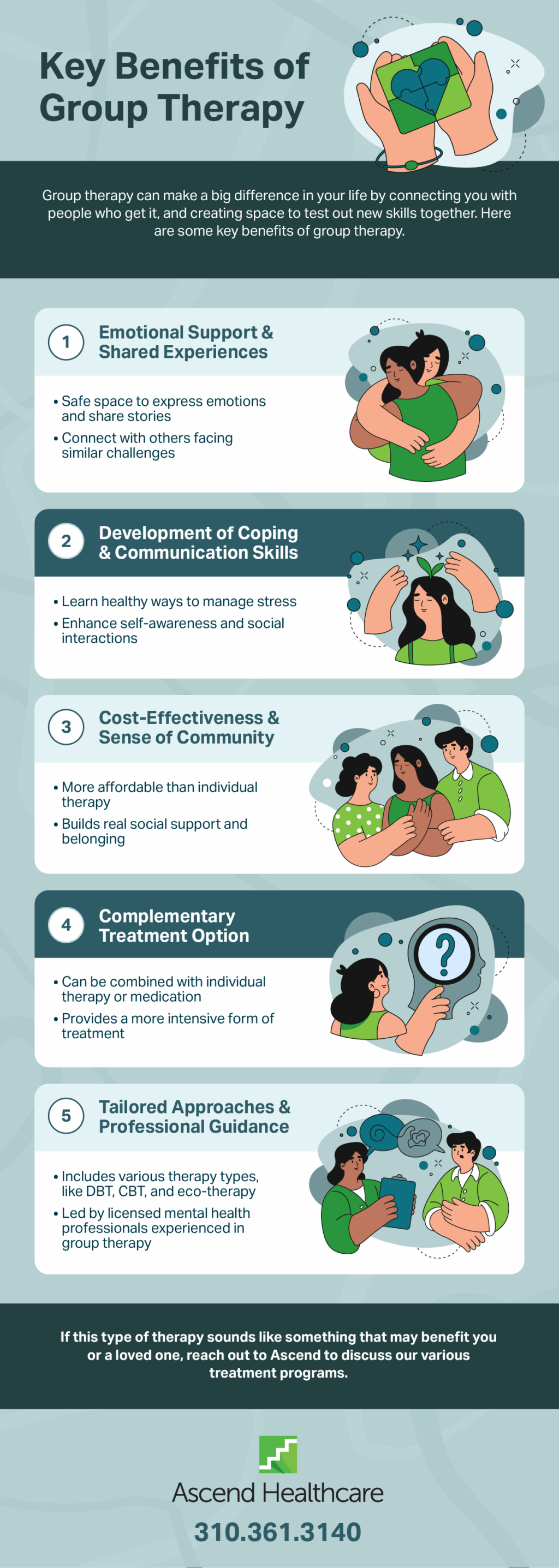
In DBT group therapy sessions, group members learn and practice skills with therapist support. DBT groups for teens aren’t lectures. They’re more like guided conversations in a supportive environment where you can share experiences, test out new communication skills, and see what works for you.
Each group focuses on one of four core DBT skills:
Mindfulness
Being mindful means learning to pay attention to the present moment instead of getting lost in thoughts or worries. Mindfulness is taught in a lot of mental health treatment, because really noticing how you’re feeling in the moment gives you better options for deciding what to do next.
Distress Tolerance
DBT groups for teens teach you strategies for getting through painful or stressful situations without making them worse. It doesn’t mean putting up with bad situations that you can change. It does mean finding the best way through what you can’t change.
Emotion Regulation
One of the most important parts of DBT groups for teens is understanding your emotions and managing how they influence your choices. Emotional regulation isn’t about suppressing your emotions; it’s about honoring what they have to tell you while not letting them make all your decisions for you.
Interpersonal Effectiveness
Another benefit of DBT group therapy for teens is the way it allows you to practice socializing. Social skills aren’t just about being polite or charming. The most valuable social skills involve communicating clearly, setting healthy boundaries with other people, and taking other important steps to improve your relationships so they work for you.
When you practice these skills with other group members in your DBT group for teens, you don’t just talk about change — you start to experience it.
Why DBT Works Well for Teens
Your teen years are full of change. Hormones, friendships, pressure, identity, and expectations all collide at once, and it can feel like your emotions are running the show. DBT groups for teens work because they’re designed for people who feel deeply. DBT helps you slow things down, make sense of what’s happening inside, and build a toolkit for handling tough moments.
You don’t have to “get rid of” your emotions. DBT helps you understand them and make choices that actually match what you want out of life.
Benefits of Group Therapy for Teens
What makes group therapy worth it? Here are six benefits of DBT group therapy for teens:
1. You Learn Real-World Coping Skills
Instead of vague advice like “calm down” or “just breathe,” DBT gives you specific, step-by-step tools. You’ll learn how to ground yourself during a panic attack, calm down after an argument, or manage cravings and impulses. These are skills you can actually use in school, at home, and anywhere life gets overwhelming.
2. You Feel Less Alone
Hearing other teens share similar experiences reminds you that you’re not the only one who struggles. In a DBT group for teens, you can be honest without judgment. That sense of connection helps replace shame and isolation with understanding and solidarity.
3. You Build Healthier Relationships
The benefits of group therapy for teens don’t end at teaching you how to control your emotions; it helps you express them in ways that strengthen relationships. You’ll learn how to set boundaries, ask for what you need, and handle conflict without losing yourself in an argument or a fight. These skills make it easier to connect positively with friends, parents, siblings, teachers, and other people in your life.
4. You Understand Your Own Emotions Better
When you can name what you’re feeling — angry, hurt, anxious, lonely — it becomes easier to handle. Joining DBT group therapy for teenage depression near you can help you recognize patterns and triggers so you can make choices that align with your actual goals for how you want to live your life, instead of reacting on autopilot. That awareness is the first step toward real change.
5. You Strengthen Your Recovery
If you’re also working on substance use or mental health, DBT groups for teens can help you manage the thoughts and emotions that can lead to relapse. You’ll learn better ways to cope with stress, cravings, and self-doubt, and how to keep moving forward when things get hard.
6. You Gain Confidence and Self-Esteem
The more you practice DBT skills, the more you see what you’re capable of. You start to trust yourself more, not because life gets easier, but because you know how to handle it. That’s real confidence, and it stays with you long after group therapy ends.
Teen Group Therapy in Residential Treatment
In residential treatment, you have the space and support to focus fully on learning and using DBT skills every day. You practice them in individual therapy, group sessions, other group activities, and your daily routines. Over time, those skills become part of who you are — tools you can carry with you long after you leave group therapy for teenage depression or anxiety near you.
Finding Mental Health Support
Our programs at Ascend offer residential treatment where DBT groups are a core part of healing as you face mental health issues like depression, self-harm, trauma, or substance use. You deserve to feel understood, supported, and in control of your own story, and DBT can be part of what helps you get there.
You can reach us at 310.598.1840 to start the admissions process for group therapy for teenage depression near you, or read more about our specific programs online.