What Is Flakka And Why Is It So Dangerous?
Takeaways:
- Flakka is a drug that emerged in the 90s in South Florida and is used recreationally.
- This substance is known by many names, including gravel and bath salts.
- While flakka use on its own has declined in recent years, it’s often combined with other drugs and goes unreported in overdoses.
- Flakka can cause significant changes in behavior, result in addiction, and have long-term effects on the body.
Teen Flakka Use
Flakka, also known as gravel or bath salts, is a drug that was popularized in the 90s and early 2000s. While it originated in South Florida, it became incredibly popular among teens and young adults across Europe and most of America. While flakka use in modern times has declined, the drug is now combined with others, leading to under-reporting.
Learn more about teen flakka use in this blog from the experts at Ascend.
What Is Flakka?
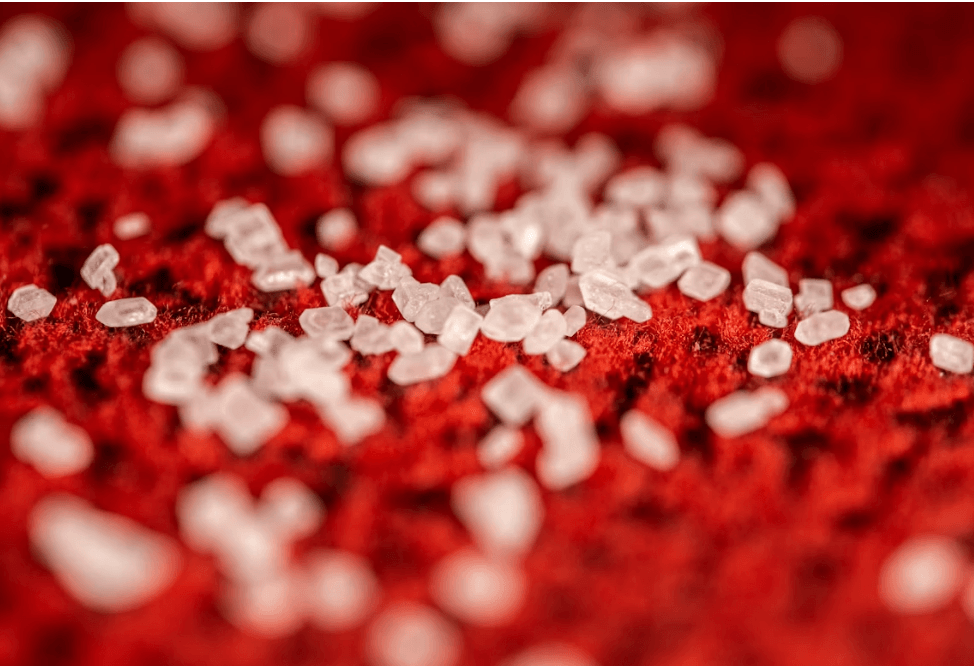
Flakka is composed of alpha-PVP, which is an artificial stimulant. It falls under the cathinones, also known as bath salts, due to its granular appearance. You can inject, snort, or eat flakka, so it hits the central nervous system with effects similar to cocaine or amphetamines. Teen flakka use often results in heightened awareness and feelings of euphoria.
Symptoms of Teen Flakka Use
Flakka can result in a range of reactions, including physical, cognitive, behavioral, and psychosocial. See some of the most common symptoms of each category below:
Physical
- Increased Heart Rate: As a stimulant, flakka may cause a rapid or irregular heartbeat.
- Muscle Damage: Flakka can damage the muscle fibers, leading to fatigue.
- Hyperthermia: An increase in body temperature that can cause organ failure.
- Temporary Strength: The stimulant in flakka provides users with short-term strength.
Cognitive
Some of the most common cognitive impairments include paranoia, accompanied by delusions or delirium. Flakka can cause a disconnect from reality that can make users feel persecuted, disoriented, or detached.
Behavioral
-
- Lack of inhibition: Teens may experience impulsive behavior and recklessness. They don’t think of the consequences before acting.
- Unpredictability: You may see erratic behavior that makes it difficult to predict what users will say or do next.
- Hyperstimulation: As awareness increases, people who use flakka can become overstimulated as they are overloaded with sounds, sights, and smells.
- Aggression: Often unprovoked, teens who use flakka can become angry and violent for no reason at all.
Psychosocial
The psychosocial elements of flakka use range from mood swings to agitation. Teen flakka use can lead to increased conflicts with family and friends, often with no obvious reason.
Flakka Treatment
Like every other substance, treatment is possible for flakka abuse. Teen flakka use may necessitate a combination of detoxification, behavioral therapy, and medication management for comprehensive support. Inpatient care is usually the best choice, as flakka withdrawal can cause severe symptoms. Structured programs, like residential treatment, provide the 24-hour care that teens need while on their journey to recovery.
Next Steps
Now that you know what flakka is, you have a better understanding of whether flakka treatment is necessary for yourself or a loved one. If you need any guidance, the Ascend team is here to help. Reach out to us to discuss the appropriate level of care, insurance accommodations, and more.