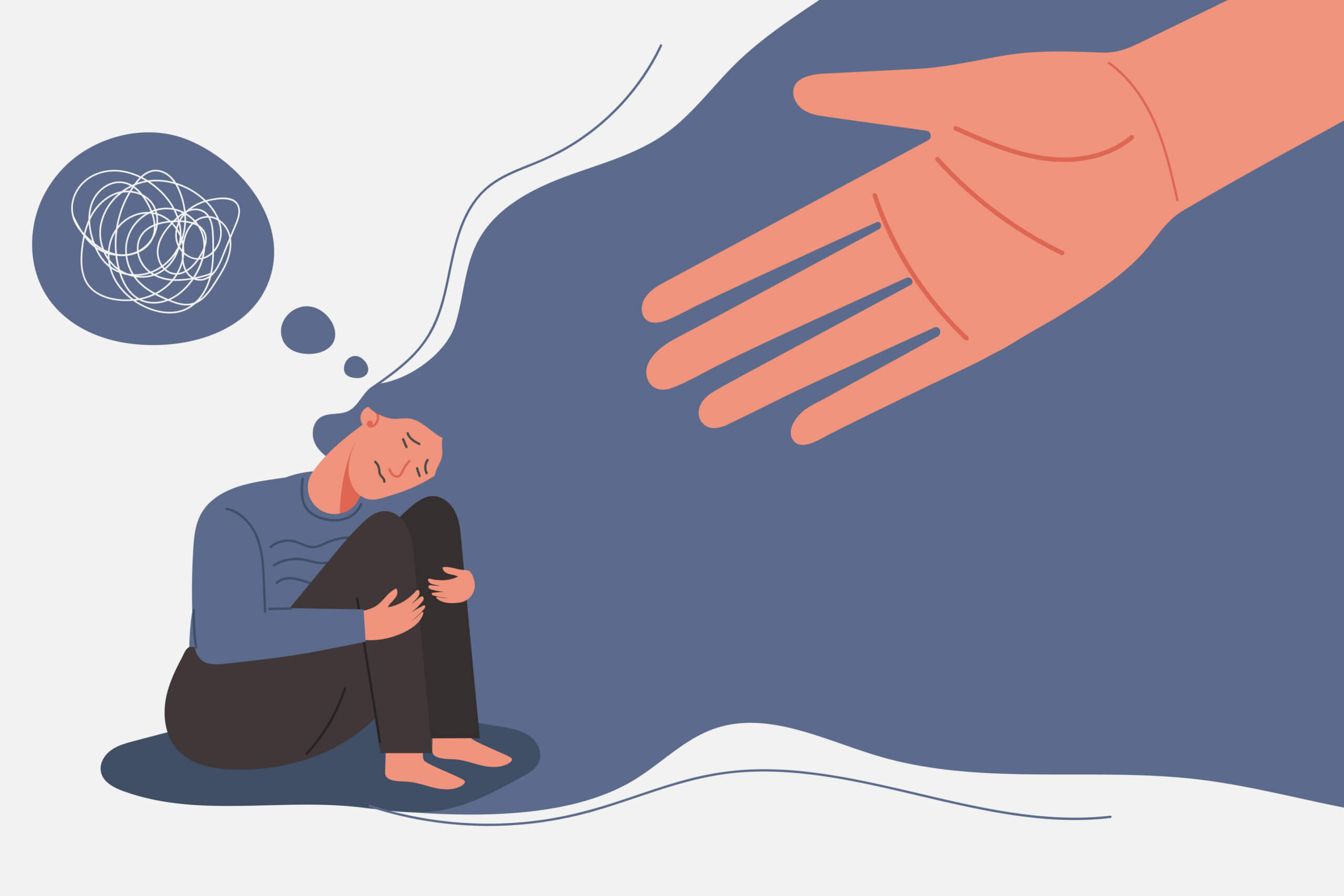
Separation Anxiety in Teens – How It Shows Up and When to Get Help
Most people associate separation anxiety with young children clinging to a parent on the first day of kindergarten. But separation anxiety in teens is more common than many parents realize, and it can look very different from what you might expect. If your teenager struggles with leaving home, being away from you, or facing everyday situations that most peers handle independently, understanding what’s behind that distress can make a real difference.
What Is Separation Anxiety in Teens?
Separation anxiety disorder is more than normal worry about being apart from loved ones. It’s a persistent, intense fear of separation that interferes with a teen’s ability to function at school, with friends, or in daily life. While it’s developmentally common in early childhood, separation anxiety in teens often goes unrecognized, in part because adolescence is supposed to be a time of growing independence. When a teen moves in the opposite direction, parents may feel confused or concerned.
Clinically, separation anxiety disorder involves excessive distress when separated from attachment figures, usually parents or caregivers, along with persistent worry that something bad will happen to them or to the teen while apart. Teens may also experience physical symptoms like stomachaches or headaches that have no clear medical cause.
It’s worth noting that some level of attachment and connection is healthy. The concern arises when that attachment becomes so intense that it disrupts daily life.
How Separation Anxiety Shows Up Differently in Adolescents
Because teenagers are at a stage where independence is expected, separation anxiety often shows up in less obvious ways. It doesn’t always look like a child refusing to let go at the school door. Instead, parents might notice:
- Resistance to overnight trips, sleepovers, or school travel
- Frequent calls or texts when apart, sometimes becoming distressing if a parent doesn’t respond immediately
- Difficulty sleeping alone or insistence on sleeping near parents
- Avoidance of school, social events, or activities that involve time away from home, which can sometimes be misread as school refusal
- Physical complaints like headaches, stomachaches, and nausea that appear before separations
- Catastrophic thinking about a parent’s safety, such as worrying they will be in an accident or become ill
These patterns can look like other issues at first glance. Anxiety warning signs in teens often overlap across conditions, which is why separation anxiety in teens is sometimes missed or mistaken for general defiance, clinginess, or social anxiety.
Common Triggers and What Makes It Worse
Separation anxiety in teens rarely appears out of nowhere. It often surfaces or intensifies around specific events or transitions. Common triggers include:
Major life changes. Starting a new school, moving to a new area, or a significant family shift like a divorce or the illness of a loved one can all heighten a teen’s fear of losing the people they depend on.
Traumatic experiences. Teens who have experienced loss, instability, or trauma may be especially sensitive to separation. Their nervous systems have learned to read distance as danger, even when it isn’t.
Existing anxiety or depression. Separation anxiety rarely stands alone. It frequently co-occurs with teen anxiety and depression, OCD, or other mood-related challenges. When one condition goes unaddressed, others can intensify.
Parental anxiety. This one isn’t about blame, it’s just worth noting. When a caregiver is also highly anxious, teens can pick up on that energy. A family system that communicates the world as threatening can reinforce a teen’s sense that independence isn’t safe.
Certain patterns can also make separation anxiety worse over time. Repeated accommodation, such as always staying home or always letting a teen avoid the feared situation, can feel supportive in the short term but often strengthens the anxiety cycle in the long run.
How Parents Can Respond at Home
Supporting a teen with separation anxiety takes balance. The goal isn’t to push them into situations that overwhelm them, but it’s also not to remove all discomfort. Here are some approaches that can help:
Validate feelings without reinforcing avoidance. Saying “I hear you, this feels really scary” is different from saying “okay, you don’t have to go.” Teens need to know their feelings are real and that they are capable of handling difficult things.
Create predictable routines. Consistency helps anxious teens feel safer. Knowing when you’ll be home, establishing check-in times, and having clear plans reduces the uncertainty that fuels separation anxiety.
Gradually encourage independence. Small, supported steps, like spending an evening at a friend’s house before a full sleepover, can help a teen build confidence over time. Progress doesn’t have to be dramatic to be meaningful.
Stay calm yourself. Your teen takes cues from you. When you leave calmly and confidently, it communicates that the separation is manageable. Extended, emotional goodbyes, while understandable, can inadvertently signal danger.
Keep communication open without enabling. Let your teen know they can always talk to you about their fears. At the same time, try not to engage in repeated reassurance-seeking loops, which can keep anxiety active rather than helping it settle.
When Separation Anxiety in Teens Requires Professional Support
Sometimes separation anxiety in teens is mild enough to address with the strategies above. But other times, it becomes disruptive enough that professional support is the right next step. Consider reaching out to a mental health professional if your teen:
- Is missing school consistently due to anxiety about separation
- Is withdrawing from friendships and activities they used to enjoy
- Is experiencing significant physical symptoms like sleep disruption or chronic stomachaches
- Has been struggling for more than a few weeks with no improvement
- Expresses intense, persistent worry about your safety or their own
Early intervention matters. Untreated anxiety in teens tends to grow over time rather than resolve on its own, and the longer avoidance patterns are established, the harder they can be to shift.
At Ascend Healthcare, treatment plans are individualized to meet each teen where they are. For teens whose separation anxiety is part of a larger picture of emotional distress, our Magnolia House specializes in residential care for depression and anxiety, providing structured, compassionate support in an environment designed specifically for adolescents. Outpatient options are also available at our Agoura Hills and Culver City locations for teens who need support without a full residential level of care.
Key Takeaways
- Separation anxiety in teens is a real and often underrecognized condition that goes beyond normal adolescent stress
- It can manifest as school avoidance, physical complaints, excessive contact, or intense worry about a parent’s safety
- Common triggers include major life transitions, trauma, and co-occurring anxiety or depression
- Parents can help by validating feelings, encouraging gradual independence, and avoiding patterns that reinforce avoidance
- When separation anxiety is persistent, disruptive, or worsening, professional mental health support is an important next step
Frequently Asked Questions
Is separation anxiety in teens normal?
Some degree of attachment and worry about loved ones is normal at any age. However, when separation anxiety in teens is intense, persistent, and interferes with school, friendships, or daily routines, it may indicate an anxiety disorder that benefits from professional support.
How is teen separation anxiety different from childhood separation anxiety?
In young children, separation anxiety is developmentally expected. In teens, it can be harder to recognize because adolescence is typically a time of growing independence. Teen separation anxiety may show up as school avoidance, excessive texting, or resistance to social activities rather than obvious clinginess.
Can separation anxiety in teens be mistaken for something else?
Yes, it’s commonly mistaken for school refusal, social anxiety, general defiance, or even physical illness. Because symptoms overlap with other conditions, a thorough evaluation by a mental health professional can help identify what’s really going on.
What triggers separation anxiety in adolescents?
Common triggers include major life transitions like moving or starting a new school, family stress, trauma or loss, and co-occurring mental health conditions like depression or OCD. A teen’s nervous system may interpret separation as a threat, especially if they’ve experienced instability in the past.
How can I help my teen with separation anxiety without making it worse?
The key is to validate your teen’s feelings while gently encouraging them to face feared situations rather than avoid them. Creating consistent routines, staying calm during separations, and limiting reassurance-seeking patterns can all support gradual progress.
When should I seek professional help for my teen’s separation anxiety?
If your teen’s separation anxiety has been ongoing for several weeks, is causing them to miss school or avoid social activities, or is accompanied by physical symptoms or intense distress, it’s a good time to consult a mental health professional.
Does Ascend Healthcare treat separation anxiety in teens?
Yes. Ascend Healthcare offers individualized treatment for teens experiencing anxiety, including separation anxiety. Our programs, from residential care at Magnolia House to outpatient services in Agoura Hills and Culver City, are designed specifically for adolescents and tailored to each teen’s unique needs.