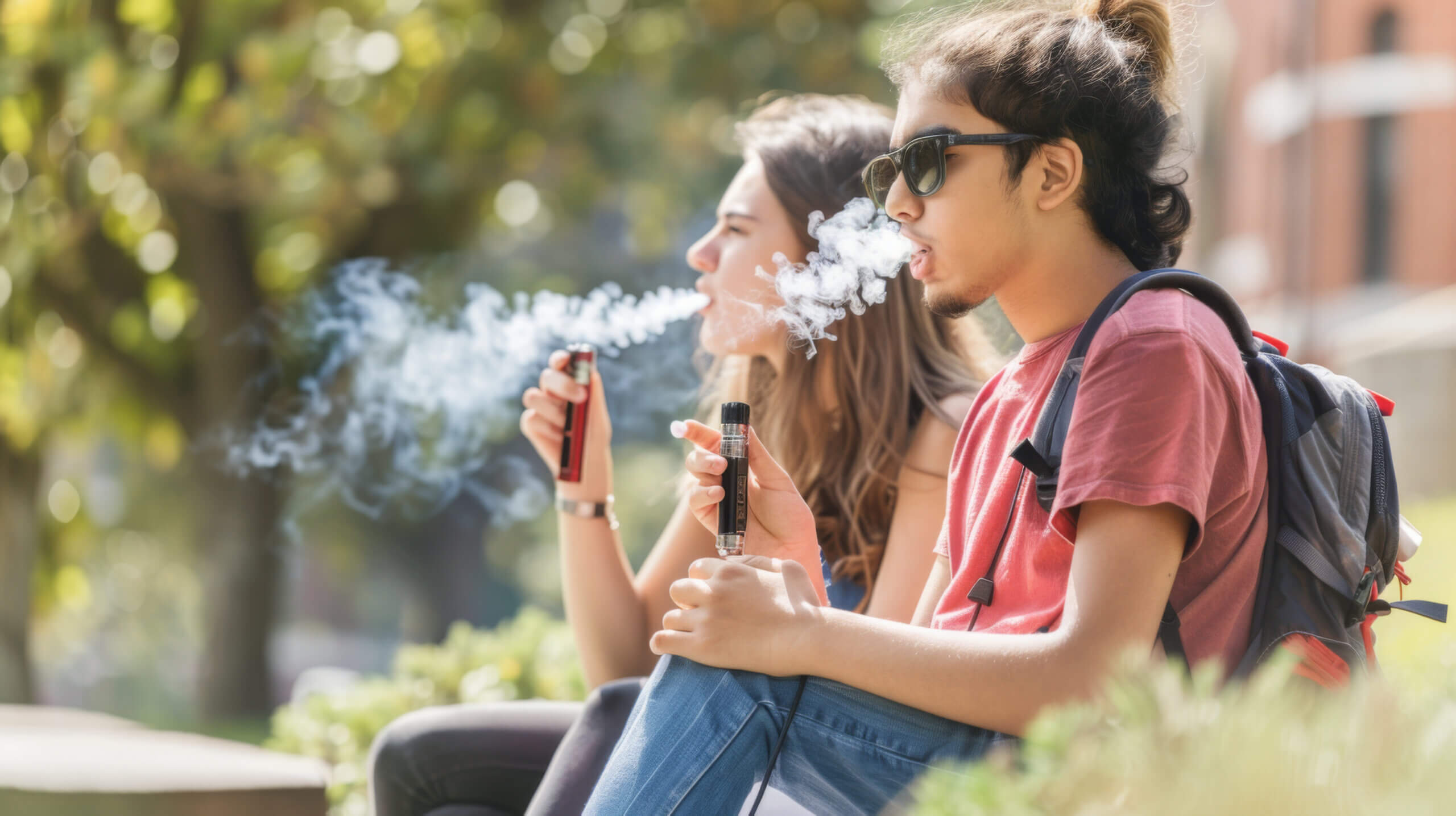
Why Teens Vape – Stress, Anxiety, and Emotional Escape
If you have discovered that your teen is vaping, your first question is probably a heartfelt one: why? Understanding why do teens vape is essential, because the answer usually goes far deeper than curiosity or rule-breaking. For many adolescents, vaping is tied to stress, anxiety, and a longing for emotional escape. When parents understand the real reasons behind why teens vape, they can respond with empathy rather than only frustration, and offer the kind of support that actually helps. This article explores the emotional drivers behind teen vaping, why it becomes so hard to stop, and how caring adults can make a difference.
Why Do Teens Vape? Looking Beneath the Surface
It is easy to assume teens vape simply to be rebellious or cool, but the fuller picture is more complex and more human. While curiosity and social influence play a part, vaping often serves an emotional purpose, offering a way to manage feelings a teen doesn’t know how to handle otherwise.
Adolescence is a period of intense emotional and social pressure, and many teens lack the coping tools to navigate it. In that context, vaping can become a form of self-soothing. Understanding what influences teens to use substances reveals how often risk factors and emotional needs intertwine. Seen this way, the question of why do teens vape becomes less about defiance and more about what a teen is trying to cope with.
Vaping as a Way to Cope with Stress and Anxiety
For a significant number of teens, vaping is an attempt to cope with stress and anxiety. Academic pressure, social dynamics, family stress, and the general intensity of adolescence can feel overwhelming, and nicotine can provide a brief, deceptive sense of relief or calm.
The trouble is that this relief is short-lived and ultimately counterproductive. Nicotine can actually increase anxiety over time, creating a cycle in which a teen vapes to feel better, then feels worse, then vapes again. Teens already struggling with anxiety or depression are especially vulnerable to using vaping as a coping mechanism, which is why addressing the underlying emotional needs is so important. When we ask why do teens vape, the answer often points back to distress that hasn’t found a healthier outlet.
The Role of Peer Pressure and Social Belonging
Alongside emotional coping, the social world of adolescence plays a powerful role in teen vaping. Teens are wired to seek belonging, and when vaping is common in their peer group, the pull to join in can be strong. It can feel like a way to fit in, bond, or avoid standing out.
Social media and marketing have also helped normalize vaping, sometimes portraying it as harmless or appealing. For a teen already navigating anxiety about acceptance, the desire to belong can override concerns about health or consequences. This blend of social pressure and emotional need helps explain why vaping can take hold even in teens who “know better.” Recognizing the risk factors for addiction helps parents understand how quickly casual use can become something more.
Why Vaping Becomes Hard to Stop
Many parents are surprised by how quickly vaping can become a genuine dependency. The adolescent brain is still developing and is especially sensitive to nicotine, which means teens can become addicted faster and more intensely than adults. Modern vaping products can also deliver very high levels of nicotine, sometimes without a teen realizing it.
Once dependency sets in, a teen may continue vaping not for enjoyment but to avoid withdrawal and the anxiety that comes with it, deepening the cycle. This is why willpower alone often isn’t enough. If you are wondering whether your teen may be vaping, learning the signs of vaping in teens can help you recognize what to look for and respond sooner.
How Parents Can Respond and Help
If your teen is vaping, how you respond matters enormously. Reacting with anger or harsh punishment alone tends to increase secrecy, while approaching the situation with calm curiosity keeps the door open. Try to understand what your teen may be coping with, and address the underlying stress or anxiety rather than only the behavior.
Have honest, nonjudgmental conversations, help your teen build healthier coping skills, and model calm ways of handling stress yourself. If vaping has become a dependency, professional support can help. At Ascend Healthcare, care addresses not just the substance use but the emotional needs beneath it, and our Empress House specializes in treating substance use alongside co-occurring mental health conditions. With understanding and the right support, teens can find healthier ways to cope and move beyond vaping.
Key Takeaways
- The question of why do teens vape usually has a deeper answer than rebellion; vaping often serves an emotional purpose.
- Many teens vape to cope with stress and anxiety, though nicotine ultimately worsens anxiety and creates a harmful cycle.
- Peer pressure and the desire to belong are powerful drivers, amplified by social media and marketing that normalize vaping.
- The developing teen brain is highly sensitive to nicotine, so dependency can form quickly and be hard to break with willpower alone.
- Parents help most by responding with calm curiosity, addressing underlying stress, building coping skills, and seeking professional support when needed.
Frequently Asked Questions
Why do teens vape?
Teens vape for a mix of reasons, but often the deeper driver is emotional. Many use vaping to cope with stress, anxiety, or difficult feelings, while peer pressure and the desire to belong also play a strong role. Curiosity and marketing contribute too, but the emotional purpose is frequently at the core.
Is teen vaping linked to anxiety and stress?
Yes. Many teens vape as a way to manage stress and anxiety, seeking a brief sense of calm. Unfortunately, nicotine tends to increase anxiety over time, creating a cycle. Teens already experiencing anxiety or depression are especially vulnerable to relying on vaping to cope.
How can I tell if my teen is vaping?
Signs can include a sweet or unusual scent, new or unfamiliar devices or chargers, increased thirst or nosebleeds, mood changes or irritability, and secrecy about their belongings. Learning the specific signs of vaping in teens can help you recognize the behavior and respond with support.
Why is vaping so addictive for teens?
The adolescent brain is still developing and is especially sensitive to nicotine, so teens can become dependent faster and more intensely than adults. Many vaping products also deliver high doses of nicotine, sometimes without the teen realizing it, which makes stopping difficult without support.
Does peer pressure cause teens to vape?
Peer pressure is a significant factor. Teens naturally seek belonging, and when vaping is common in their social circle, the pull to join in can be strong. Social media and marketing that normalize vaping add to this pressure, especially for teens anxious about fitting in.
How should I talk to my teen about vaping?
Approach the conversation with calm curiosity rather than anger or blame. Ask what is going on in their life, listen without immediately lecturing, and focus on understanding what they may be coping with. Addressing the underlying stress and building trust tends to help far more than harsh punishment alone.
When should I seek professional help for my teen’s vaping?
Consider professional support if your teen is unable to stop despite wanting to, if vaping is tied to significant anxiety or depression, or if it is interfering with their functioning. Professional care can address both the dependency and the emotional needs underneath it, giving your teen healthier ways to cope.