Why Do People Pull Their Hair Out? Understanding Trichotillomania in Teens
Finding small bald patches on your teen’s scalp, or noticing missing eyebrows or eyelashes, can be alarming and confusing. Many parents start searching for answers by asking, “Why do people pull their hair out?” The answer often leads to a condition called trichotillomania. Hair pulling is more common than many people realize, and it often begins in the early teen years. It is not a bad habit or a lack of willpower, and it is very treatable. This article explains what trichotillomania is, why people pull their hair out, the signs to watch for, and how parents can support their teen with understanding rather than shame.
Key Takeaways
- Trichotillomania is a condition involving repeated urges to pull out one’s own hair, often from the scalp, eyebrows, or eyelashes.
- Why do people pull their hair out? Reasons vary, including relieving tension, soothing boredom or anxiety, or responding to a physical sensation.
- It often begins in early adolescence and is classified as an obsessive-compulsive and related disorder.
- Hair pulling is usually different from self-harm, because the goal is typically relief or soothing rather than causing pain.
- Shame makes hair pulling worse, while calm support and specialized therapy like habit reversal training can help.
What Trichotillomania Is
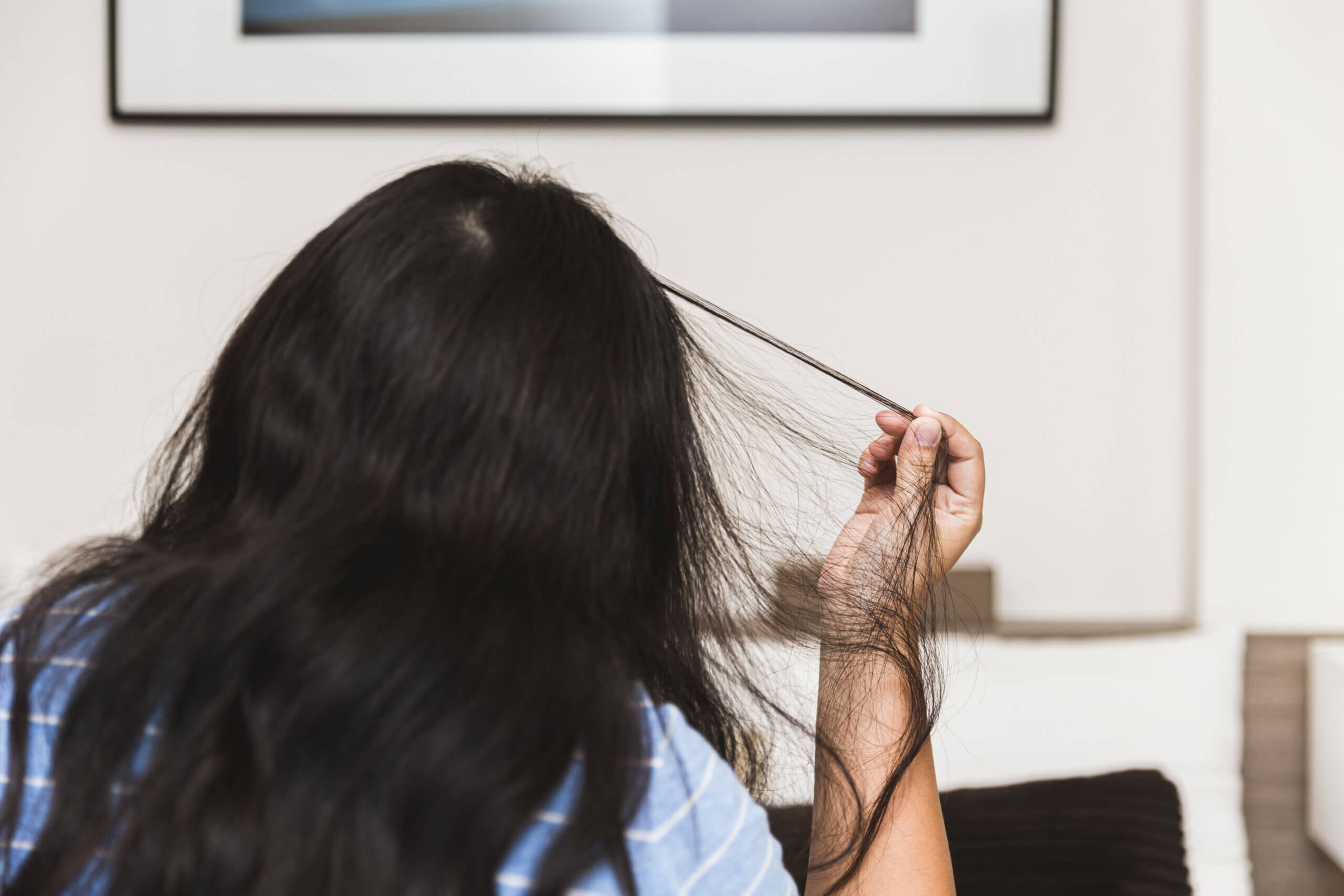
Trichotillomania, sometimes called hair pulling disorder, involves repeatedly pulling out one’s own hair despite trying to stop. It can affect the scalp, eyebrows, eyelashes, or other areas, and over time it may lead to noticeable thinning or bald patches. It belongs to a group of conditions called body-focused repetitive behaviors, which also includes skin picking and nail biting at its more severe end.
In clinical terms, trichotillomania is classified among obsessive-compulsive and related disorders. That doesn’t mean every teen who pulls their hair has OCD, but the two can share features, such as urges that feel hard to resist. Our overview of OCD and related disorders explains this broader family of conditions.
Why Do People Pull Their Hair Out
There isn’t one simple answer to “why do people pull their hair out?” because the reasons vary from person to person and even moment to moment. Common patterns include:
- Relieving tension. Many describe a building urge or tension that eases after pulling.
- Soothing difficult emotions. Pulling can be a way to calm anxiety, stress, frustration, or sadness.
- Managing boredom or understimulation. Some teens pull while studying, reading, watching videos, or lying in bed.
- Responding to a sensation. A hair that feels coarse, uneven, or “not right” may trigger the urge.
- Automatic pulling. Sometimes teens pull without noticing until afterward.
Researchers believe genetics, brain differences in how urges are regulated, and stress all play a role. Trichotillomania commonly begins around the start of puberty, a time of big emotional and physical change. Knowing the answer to “why do people pull their hair out?” helps parents see that pulling is a way of coping, not a choice to cause harm.
Signs of Trichotillomania in Teens
Even after parents learn the answer to “why do people pull their hair out?” the behavior can be hard to spot, because teens often feel embarrassed and may work hard to hide it. Signs parents might notice include:
- Thinning hair or bald patches on the scalp
- Missing or sparse eyebrows or eyelashes
- Wearing hats, makeup, or hairstyles that hide affected areas
- Frequently touching, twisting, or playing with hair
- Hair found on the floor, desk, or bed in unusual amounts
- Avoiding activities like swimming, haircuts, or sleepovers
Many teens also experience anxiety or low mood alongside hair pulling, sometimes because of the shame and secrecy involved. Recognizing the broader symptoms of OCD in teens and anxiety can help parents understand the full picture.
How Trichotillomania Differs From Self-Harm
When parents first ask, “Why do people pull their hair out?” they sometimes worry it is a form of self-harm. In most cases, the two are different. Trichotillomania is typically driven by a need for relief, soothing, or to address a sensation, and many teens find pulling calming rather than painful. Self-harm, by contrast, usually involves deliberately causing injury to cope with intense emotional pain.
That said, the two can occur together, and every teen is different. If you notice cuts, burns, or other injuries, or your teen expresses hopelessness or thoughts of hurting themselves, it’s important to seek help promptly. Our page on self-harm and suicidal ideation offers guidance, and in any crisis you can call or text 988 to reach the Suicide and Crisis Lifeline.
How Parents Can Help a Teen Who Pulls Their Hair
The most important thing parents can do is respond without shame or punishment. Telling a teen to “just stop” usually doesn’t work and can increase the stress that drives pulling. Instead, approach your teen with curiosity and compassion. Let them know that hair pulling is a real, common condition and that help is available.
Some practical supports can help reduce opportunities to pull, such as fidget tools, keeping hands busy during high-risk times, or wearing a soft hat or gloves while studying. These work best when your teen chooses them, rather than having them imposed. Avoid pointing out every time you see your teen pull, which can feel like being watched.
Professional treatment is often very effective. Habit reversal training, a form of cognitive behavioral therapy, helps teens notice urges, understand triggers, and replace pulling with other responses. At Ascend Healthcare, Oaks House provides specialized residential care for OCD and related conditions, offering structured, compassionate support for teens whose struggles have become overwhelming. With the right help, teens can regain a sense of control and confidence.
Frequently Asked Questions
Why do people pull their hair out?
People pull their hair out for many reasons, including relieving built-up tension, soothing anxiety or stress, managing boredom, or responding to a physical sensation. For some, pulling happens automatically without full awareness. It is usually a way of coping rather than an attempt to cause harm.
What is trichotillomania?
Trichotillomania is a condition involving repeated urges to pull out one’s own hair, despite attempts to stop. It often affects the scalp, eyebrows, or eyelashes and commonly begins in early adolescence. It is classified as an obsessive-compulsive and related disorder.
Is trichotillomania a form of self-harm?
Usually not. Hair pulling is typically driven by a need for relief or soothing, while self-harm involves intentionally causing injury to cope with emotional pain. The two can occur together, though, so any signs of injury or hopelessness should be taken seriously.
Is trichotillomania related to OCD?
Trichotillomania is classified among obsessive-compulsive and related disorders because it shares features like hard-to-resist urges. However, it is a distinct condition, and not every teen who pulls their hair has OCD.
What are the signs my teen is pulling their hair?
Look for thinning hair or bald patches, missing eyebrows or eyelashes, efforts to hide affected areas with hats or makeup, frequent touching of hair, and avoidance of activities like swimming or haircuts.
Can trichotillomania be treated?
Yes. Habit reversal training, a form of cognitive behavioral therapy, is one of the most effective treatments. It helps teens recognize urges and triggers and develop alternative responses. Treating any co-occurring anxiety or depression is also important.
How should I talk to my teen about hair pulling?
Choose a calm, private moment and lead with care rather than criticism. Let your teen know the condition is common and treatable, avoid punishment or pressure to stop, and ask how you can help. Keeping the conversation free of shame makes it more likely your teen will accept support.