What’s Causing the Surge in Memory Problems Among Teens & Young Adults?
Takeaways:
- Teenagers’ brains are still developing, making them more vulnerable to mood disorders like depression.
- Depression affects brain structure and function, including memory, emotion, and concentration.
- Neurotransmitters like serotonin, dopamine, and norepinephrine influence mood and reward processing.
- The adolescent brain’s reward and emotional systems mature earlier than cognitive control systems.
- Effective treatment and early intervention can help the brain recover and strengthen healthy neural pathways.
Depression & Memory Loss in Teens
Supporting your teenager through their struggles with depression takes a lot of energy and involvement. However, mood swings, loss of interest in their favorite activities, and other behavioral changes aren’t the only things you have to worry about. Memory loss in teens is another major component of depression, and it could be affecting your child.
Depression can literally change the structure of your teen’s brain, leading to memory loss and other issues. Learn more about depression and memory loss in teens with help from the experts at Ascend.
How Does Depression Affect the Brain?
Depression often starts in adolescence, but it can be difficult to determine exactly when changes start occurring in the brain. When you start to see symptoms of depression, like academic changes, social withdrawal, difficulty concentrating, fatigue, headaches, and feelings of hopelessness, it’s time to start worrying about what’s going on in their brain. Sometimes, symptoms are caused by genetic tendencies and other life events, but prolonged symptoms could be evidence of changes in the brain due to depression.
However, regardless of genetic tendencies or other medical concerns, depression can cause memory loss. Depression can primarily affect three areas of the brain, including:
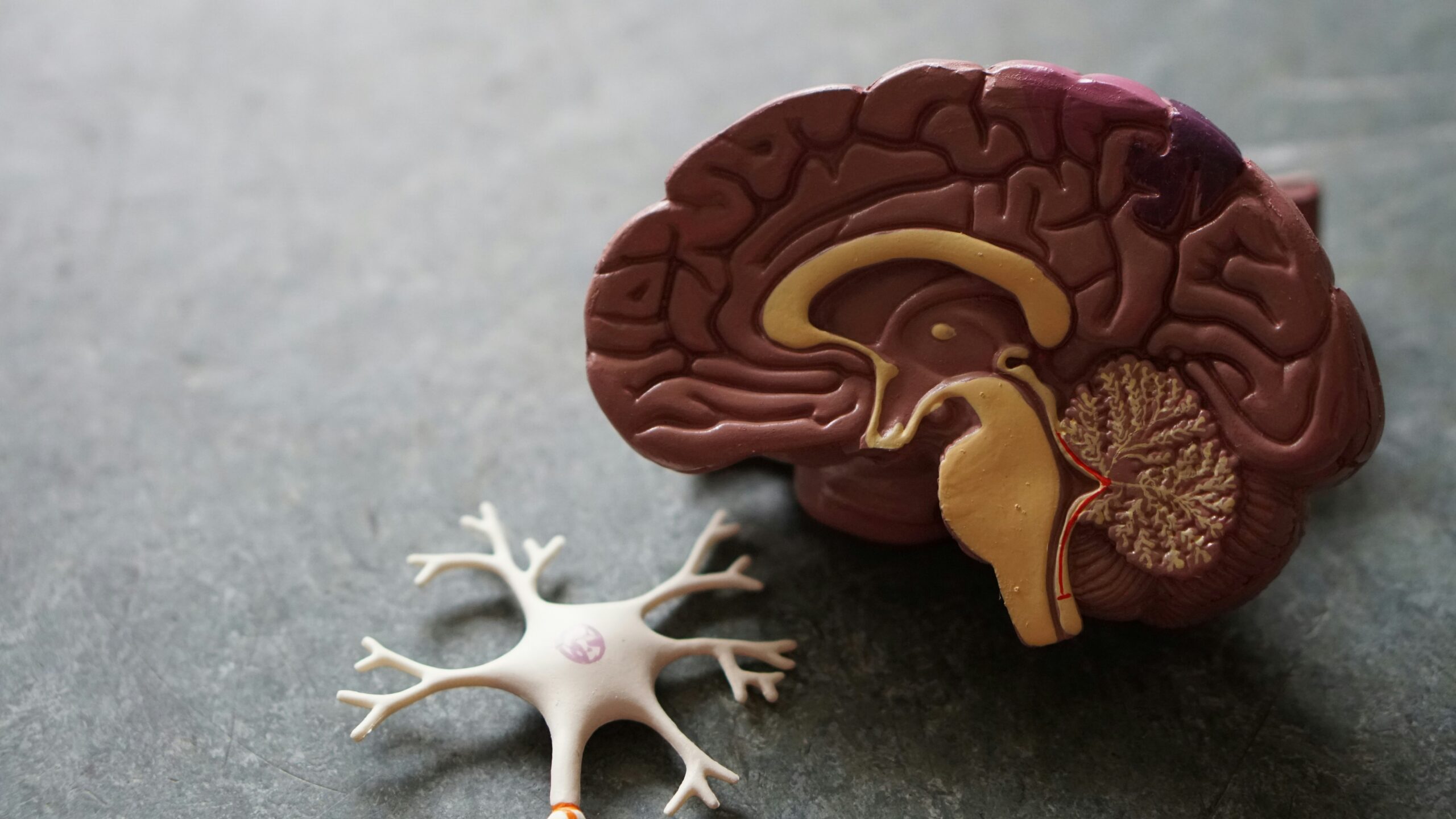
- Hippocampus: Many times, depression results in reduced volume and activity in this area of the brain. Since the hippocampus is related to memory, stress responses, and emotional processing, these areas suffer.
- Anterior Cingulate Cortex: Unlike other areas of the brain, depression can cause overactivity in the ACC, resulting in mood disorders and heightened responses to stress, anxiety, and fear.
- Prefrontal Cortex: This area of the brain is in charge of cognitive control and decision-making. With depression causing underactivity here, teens may experience difficulty with problem-solving and emotional regulation.
Depression and memory problems are inextricably linked due to the involvement of neurotransmitters. Depression affects these chemical messengers, altering how and when the brain receives messages from dopamine, serotonin, and more.
Can Depression Have Permanent Effects?
Even though depression and memory problems are serious concerns for teens, the neuroplasticity of a young person’s brain allows them to recover from memory issues and learning problems. When depression is caught early enough, and appropriate treatment begins, the brain can repair itself and form new, stronger connections. A combination of therapy and medication could be the solution to memory loss in teens.
When Should You Seek Help
If depression and memory problems are a concern for your teen, reaching out for help as soon as possible is the key. Your healthcare provider can recommend outpatient therapy or residential treatment as part of a personalized plan to help you heal.
At Ascend, we offer a variety of programs for parents concerned about depression causing memory loss in their child. Get in touch with us today for an admissions assessment that provides you with the next steps you can take to support your teen.