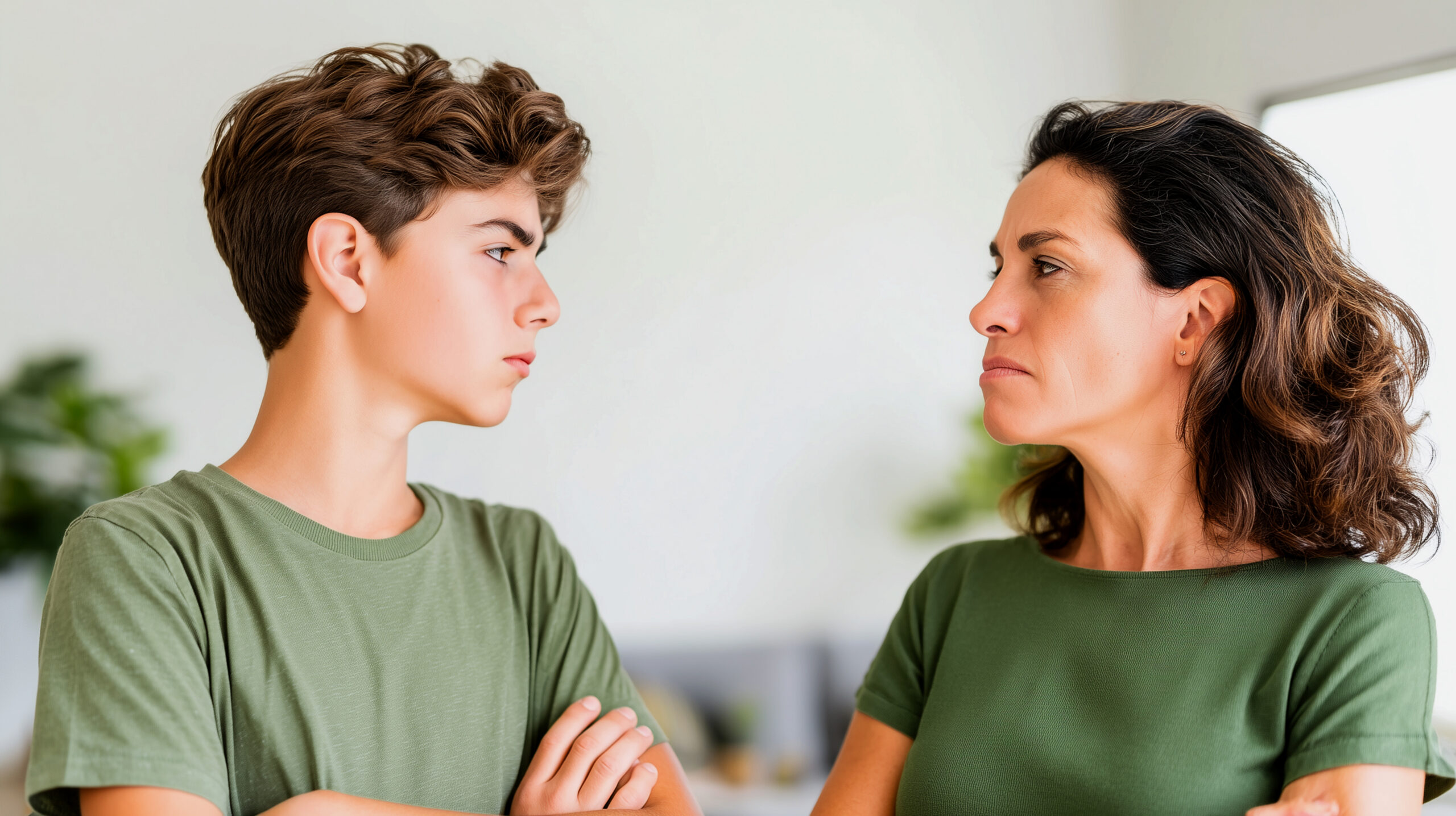
Top Conflict Resolution Skills Every Teen Needs
Conflict is a normal part of growing up. As teens navigate friendships, family relationships, school expectations, and their own emotions, disagreements are bound to happen. Learning effective strategies for teens and conflict resolution is essential for emotional growth, healthy relationships, and long term mental well being. When teens have the tools to manage conflict constructively, challenges become opportunities for learning rather than sources of stress or damage.
Conflict resolution skills do not come naturally to everyone. Teens are still developing emotional regulation, impulse control, and communication skills. With guidance and practice, however, they can learn how to express themselves clearly, listen to others, and work through disagreements without anger or withdrawal.
Top Conflict Resolution Skills …
Why Conflict Resolution Skills Matter for Teens
Conflict resolution skills help teens navigate difficult moments without escalating situations or damaging relationships. Teens who lack these skills may resort to avoidance, aggression, or emotional shutdown when conflict arises. Over time, this can lead to strained relationships, increased stress, and emotional distress.
Developing healthy approaches to teens and conflict resolution supports emotional regulation and self confidence. Teens learn that disagreements do not have to end in hurt feelings or broken trust. Instead, they can be handled with respect and problem solving, which strengthens relationships and builds resilience.
Common Sources of Conflict During Adolescence
Adolescence is filled with situations that naturally create conflict. Teens may disagree with parents about rules, independence, or expectations. Peer relationships can involve misunderstandings, jealousy, or pressure to fit in. School related stress, academic demands, and social dynamics also contribute to tension.
Emotional changes play a role as well. Teens often feel emotions intensely and may struggle to communicate those feelings clearly. When stress builds, even small disagreements can feel overwhelming. Understanding these common sources of conflict helps teens and adults respond with patience rather than frustration.
Core Conflict Resolution Skills Teens Should Learn
Several core skills form the foundation of healthy conflict resolution. One of the most important is emotional awareness. Teens benefit from learning how to recognize what they are feeling before reacting. Naming emotions such as anger, frustration, or hurt helps reduce impulsive responses.
Active listening is another essential skill. This involves paying attention, not interrupting, and trying to understand the other person’s perspective. When teens feel heard, they are more likely to respond calmly and respectfully.
Problem solving is also central to teens and conflict resolution. Instead of focusing on who is right or wrong, teens learn to identify the issue and explore solutions together. Compromise and flexibility play key roles in this process.
Assertive communication helps teens express needs and boundaries clearly without aggression. Using calm language and respectful tone allows teens to advocate for themselves while maintaining connection.
Finally, learning when to take a break is important. Stepping away during high emotion moments helps prevent escalation and allows time to cool down before revisiting the conversation.
How Teens Can Practice Healthy Communication
Healthy communication takes practice. Teens can start by using clear and honest language to express feelings. Speaking from personal experience rather than blaming others helps keep conversations productive.
Timing also matters. Addressing conflict when emotions are calmer leads to better outcomes. Teens can practice asking for space when needed and returning to the conversation later.
Role playing and reflection can strengthen communication skills. Talking through past conflicts and identifying what worked or did not work builds awareness and confidence. Over time, these practices help teens approach conflict with greater clarity and control.
How Parents and Educators Can Support Skill Building
Adults play an important role in teaching conflict resolution. Parents and educators can model healthy communication by handling disagreements calmly and respectfully. Teens learn a great deal by observing how adults manage conflict.
Providing guidance rather than punishment encourages growth. When teens make mistakes, focusing on learning opportunities helps reinforce skill development. Encouraging open dialogue and validating emotions supports emotional safety.
At Ascend Healthcare, conflict resolution skills are often integrated into therapeutic work. Teens practice communication, emotional regulation, and problem solving in structured environments where support and feedback are available. This approach helps skills transfer into real life situations.
Key Takeaways
- Conflict is a normal part of adolescence and an opportunity for growth
- Teens and conflict resolution skills support emotional regulation and healthy relationships
- Emotional awareness and communication are foundational skills
- Practice and guidance help teens handle disagreements more effectively
- Support from adults strengthens long term skill development
Frequently Asked Questions
What is conflict resolution for teens?
Conflict resolution for teens involves learning how to manage disagreements in healthy, respectful ways. It includes recognizing emotions, communicating clearly, listening to others, and working toward solutions without aggression or avoidance.
Why do teens struggle with conflict management?
Teens are still developing emotional regulation and impulse control. Strong emotions, stress, and limited experience can make conflict feel overwhelming. Without guidance, teens may react impulsively rather than thoughtfully.
What are the most important conflict resolution skills for teens?
Key skills include emotional awareness, active listening, assertive communication, problem solving, and knowing when to pause. These skills help teens navigate disagreements without escalating tension.
How can teens manage conflict without anger or aggression?
Teens can manage conflict by recognizing emotions early, using calm language, listening before responding, and taking breaks when needed. Practicing these strategies helps reduce emotional intensity and improve outcomes.
Can conflict resolution skills improve teen relationships?
Yes. Strong conflict resolution skills improve communication, trust, and understanding. Teens who handle disagreements respectfully are more likely to maintain healthy friendships and family relationships.
How can parents help teens learn conflict resolution?
Parents can model calm communication, validate emotions, and guide teens through problem solving rather than imposing solutions. Encouraging reflection after conflicts also supports learning.
When should professional support help teens with conflict issues?
Professional support may be helpful when conflict leads to frequent emotional outbursts, withdrawal, or relationship breakdowns. Therapy can provide structured skill building and emotional support.