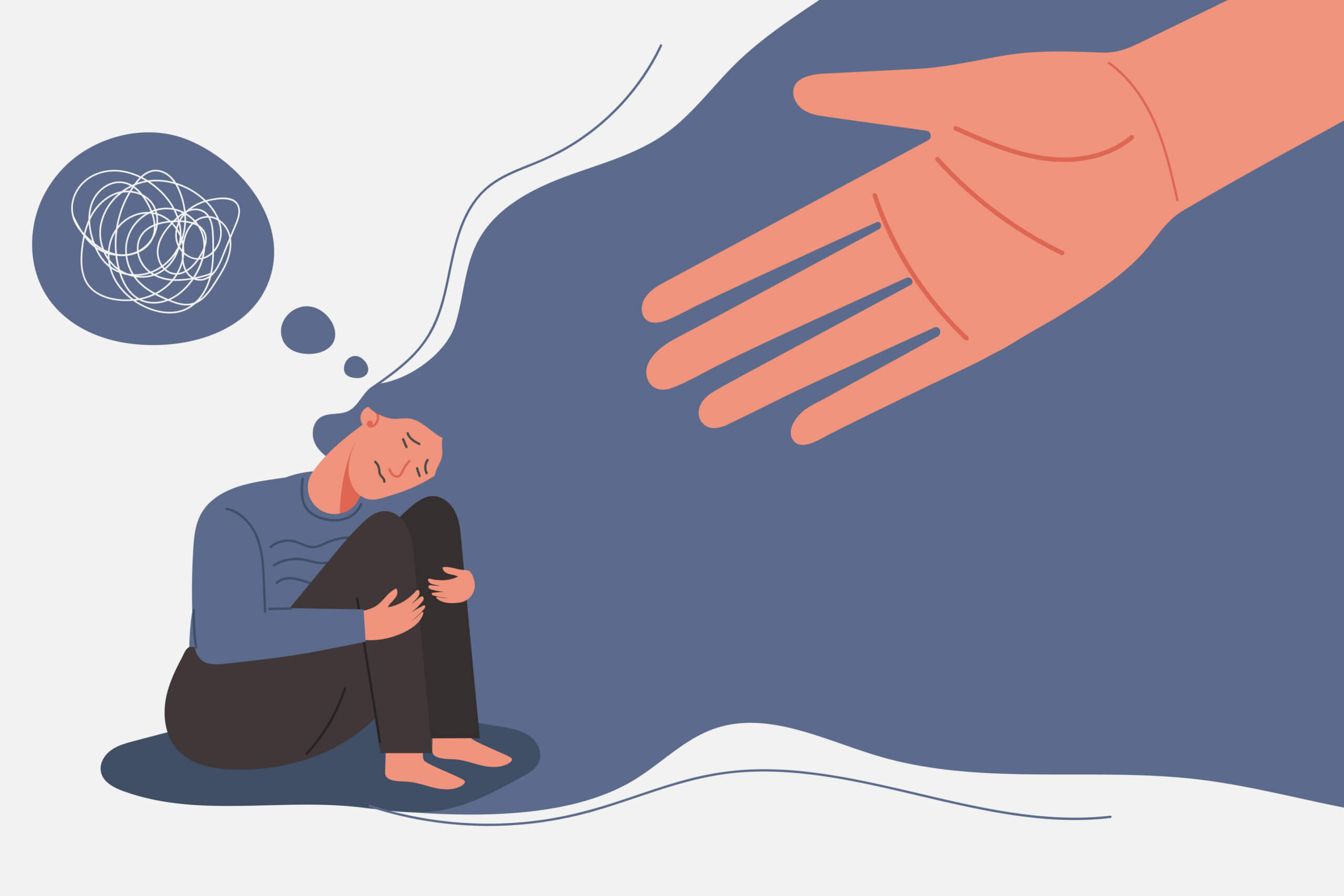
Building Healthier Coping Skills for Teens Who Self-Harm
When parents learn that their child may be engaging in self harm, the emotions can be overwhelming. Fear, confusion, guilt, and a strong desire to fix the situation often arise all at once. Self harming teens are not seeking attention or trying to cause harm to others. In most cases, self harm is a sign that a teen is struggling to cope with intense emotional pain and does not yet have healthier tools to manage it.
Understanding why teens turn to self harm and how healthier coping skills can replace harmful behaviors is an important step toward healing. With the right support, teens can learn safer ways to process emotions, reduce urges, and regain a sense of control.
Understanding Why Teens Turn to Self Harm
Self harm is often used as a coping mechanism when emotions feel overwhelming or unmanageable. For many teens, emotional pain such as sadness, anxiety, shame, or anger builds up with no clear outlet. Self harm can temporarily relieve emotional intensity or provide a sense of control when everything else feels chaotic.
Self harming teens may struggle with perfectionism, trauma, low self esteem, or difficulty expressing feelings verbally. Some teens use self harm to feel something when they feel emotionally numb. Others use it to distract from emotional pain or to release tension.
It is important to recognize that self harm is not a sign of weakness or failure. It is a sign that a teen needs support, understanding, and better coping tools.
Recognizing Signs of Unhealthy Coping
Recognizing unhealthy coping patterns early can help prevent self harm behaviors from becoming more entrenched. Signs may include unexplained cuts or marks, wearing long sleeves even in warm weather, frequent isolation, emotional withdrawal, or strong reactions to stress.
Behavioral changes such as increased secrecy, mood swings, irritability, or difficulty sleeping can also indicate distress. Some teens may talk negatively about themselves or express feelings of worthlessness.
While not every sign confirms self harm, patterns of behavior and emotional changes should be taken seriously. Early recognition allows parents and caregivers to respond with care rather than waiting until behaviors escalate.
Why Healthy Coping Skills Matter for Teens
Coping skills are tools that help teens manage emotions, stress, and difficult situations in safer ways. For self harming teens, learning healthier coping strategies is essential to reducing harmful behaviors and building long term emotional resilience.
Healthy coping skills give teens alternatives when urges arise. Instead of turning to self harm, teens can learn ways to release emotion, ground themselves, or seek support. Over time, these skills reduce the intensity and frequency of urges and help teens feel more capable of handling distress.
Coping skills also support confidence. When teens experience success using healthier strategies, they begin to trust themselves more and feel less controlled by their emotions.
Examples of Healthy Coping Strategies for Teens
There is no single coping skill that works for every teen. Effective coping often involves a combination of strategies that address emotional, physical, and mental needs.
Physical coping strategies can include movement such as walking, stretching, or exercise. Physical activity helps release built up tension and supports emotional regulation.
Emotional coping strategies include journaling, creative expression, or talking with a trusted person. Writing or art can help teens express feelings they cannot yet put into words.
Grounding techniques help teens stay present during moments of intense emotion. These may include deep breathing, focusing on the senses, or holding an object that feels comforting.
Distraction based coping strategies can also be helpful in the moment. Listening to music, watching a familiar show, or engaging in a hobby can provide relief while urges pass.
Learning to identify which coping strategies work best takes time and practice. Encouragement and patience are key during this process.
How Parents and Caregivers Can Offer Support
Parents and caregivers play a vital role in helping teens replace self harm behaviors with healthier coping skills. Support begins with creating a safe, nonjudgmental environment where teens feel comfortable talking about their struggles.
Listening without reacting with anger or fear helps teens feel understood. Validating emotions does not mean approving of self harm. It means acknowledging that the emotional pain is real and deserves attention.
Encouraging professional support is often an important step. Therapy provides teens with guidance, structure, and tools to address self harm safely. Parents can also support progress by reinforcing coping skills at home and maintaining consistent routines.
Recovery is not a straight line. Setbacks may happen, but each step toward healthier coping is meaningful.
Key Takeaways
- Self harm is often a coping response to overwhelming emotional pain
- Self harming teens benefit from learning safer ways to manage emotions
- Healthy coping skills reduce urges and build emotional resilience
- Parental support and understanding play a critical role in recovery
- Professional treatment can help teens replace self harm behaviors
Frequently Asked Questions
What are common coping skills for teens who self harm?
Common coping skills include journaling, physical activity, grounding techniques, creative expression, deep breathing, and talking with a trusted person. These strategies help teens release emotional tension and manage urges in safer ways while building emotional awareness.
Why do teens use self harm as a coping mechanism?
Teens may use self harm to relieve intense emotions, regain a sense of control, or feel something when emotionally numb. It is often a response to overwhelming stress, trauma, or difficulty expressing feelings rather than a desire to cause harm.
How can parents encourage healthier coping skills?
Parents can encourage healthier coping by listening without judgment, validating emotions, and helping teens practice new strategies during calm moments. Modeling healthy coping, maintaining routines, and reinforcing progress supports long term change.
What coping strategies help teens manage emotional pain?
Effective strategies include grounding exercises, creative outlets, movement, relaxation techniques, and connection with others. Different teens respond to different tools, so exploring options and practicing regularly helps identify what works best.
Can therapy help teens replace self harm behaviors?
Yes. Therapy helps teens understand triggers, develop coping skills, and address underlying emotional pain. Therapeutic support provides structure, guidance, and accountability that are essential for replacing self harm with healthier behaviors.
How long does it take to build healthier coping skills?
Building healthier coping skills takes time and practice. Some teens notice improvement within weeks, while others need longer support. Progress is gradual, and setbacks do not mean failure. Consistent practice leads to lasting change.
When should a parent seek professional help for self harm?
Professional help should be sought as soon as self harm is suspected or disclosed. Immediate support is critical if behaviors escalate, occur frequently, or are paired with suicidal thoughts. Early intervention improves safety and long term outcomes.