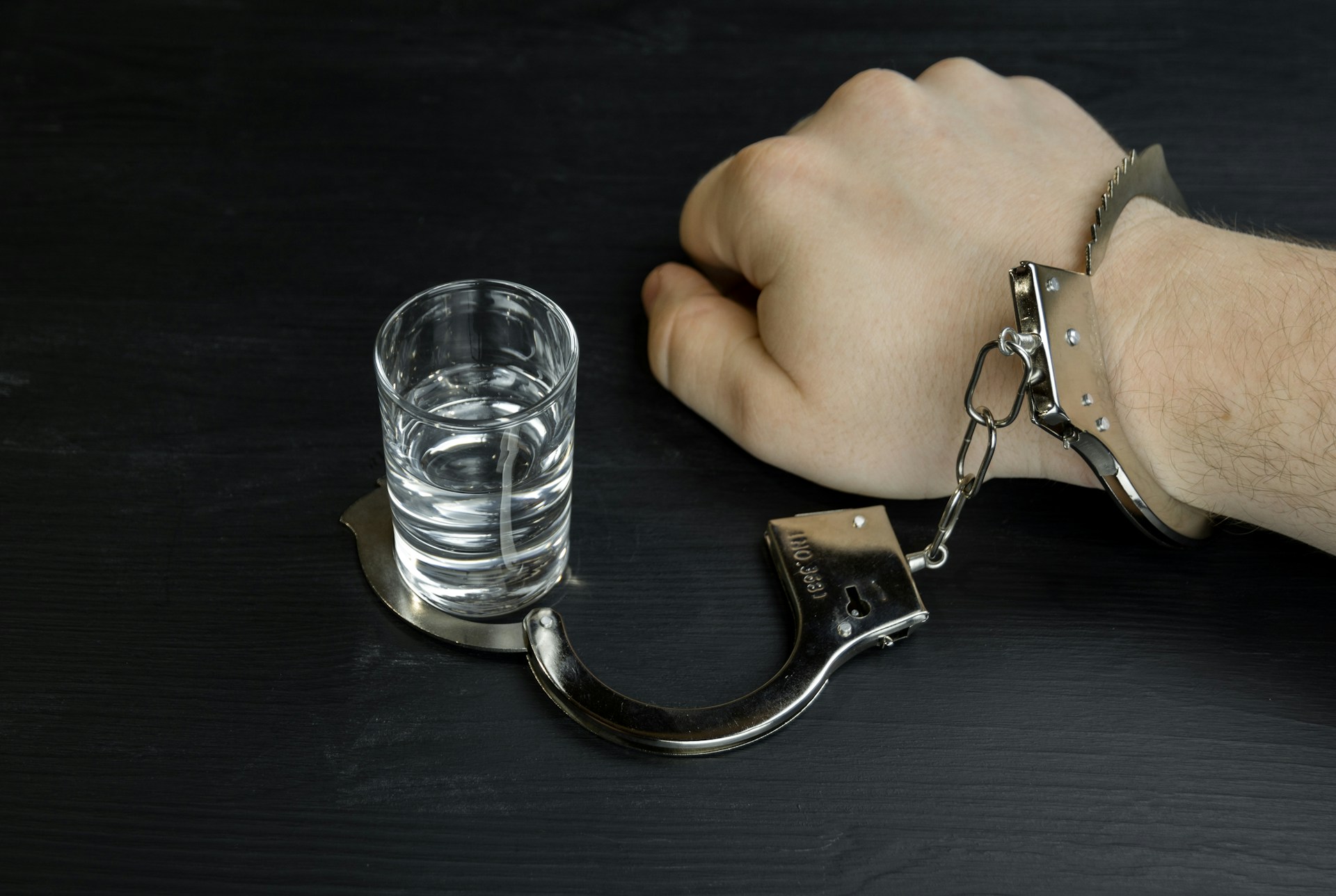
How Alcohol Traps Your Brain Into Substance Abuse
Takeaways:
- Alcohol, like many drugs, affects the brain to make you feel better by blunting negative emotions.
- Teens seeking to escape strong emotions, like anxiety or depression, may come back to alcohol again and again as an avoidance mechanism.
- While alcohol may provide temporary relief, the long-term effects of drinking can range from an increased risk of heart disease and liver disease to cognitive issues.
Is Alcohol Addictive?
Because alcohol is legal, frequently shown in the media, and consumed by adults around the world, many teens look at it as a safe option for blunting their emotions. However, alcohol is addictive and can have a variety of long-term effects on the body and brain.
Wondering how you can get addicted to alcohol and what the effect of alcohol is on your brain? Follow along with the experts at Ascend as we discuss how alcohol traps your brain over time.
Stages of Alcohol Addiction
There are three main stages of alcohol addiction: the intoxication stage, the withdrawal stage, and the anticipation stage. People can enter the cycle of addiction at any of these stages, but troubled teens typically find that alcohol is addictive because they find a sense of relief from their strong emotions when binging, leading them to look for this escape again and again.
1. Intoxication Stage
This is the stage where teens experience the rewarding effects of alcohol, including reduced anxiety, easier social interactions, and a sense of euphoria. Alcohol repeatedly activates the basal ganglia’s reward center in the brain to reinforce drinking behavior and nearly guarantee repeat consumption. The more often a teen chooses to drink, the more the basal ganglia is triggered, leading to the formation of a habit. Alcohol is addictive because it affects the part of your brain most associated with routines, motivation, and habits.
2. Withdrawal Stage
Once a person is already addicted to alcohol, the body forms a dependence on it. One of the effects of alcohol on your brain is withdrawal when the substance is purged from your system. Withdrawal symptoms may include:
- Feelin Ill
- Sleep Disturbances
- Dysphoria
- Anxiety or Irritability
- Emotional Disturbances
- Dysphoria
Research shows that it’s likely that the negative emotions from alcohol withdrawal are also associated with the basal ganglia. Because this part of your brain was so active in the intoxication stage, there is a diminished capacity to reactivate it when experiencing daily life. Furthermore, the lack of reward activates the brain’s stress system in the amygdala, leading to feelings of anxiety and unease. Teens start drinking more to avoid this low, showing how you can get addicted to alcohol even if you didn’t start drinking to escape negative emotions.
3. Anticipation Stage
During the anticipation stage, teens may get preoccupied with how to obtain alcohol or look forward to the next time they can drink. The prefrontal cortex is the main instigator here, prioritizing alcohol above other activities. This area of the brain is in charge of executive function and is severely compromised in teens who suffer from alcohol abuse.
Why It Matters
Since alcohol is addictive, it can have significant social consequences and effects on your health. Abusing alcohol in adolescence is especially concerning, as it can affect brain development, causing even greater problems in cognitive function later on.
If you or a loved one is struggling with alcohol dependence, Ascend may be able to help. Reach out to us today to discuss admission into our residential treatment program at Empress House.